Imagine wrapping your indie film’s final shoot—only for a surprise hailstorm to flood your set and halt production for three days. You’re out $20,000 in crew fees, location rentals, and equipment downtime. Sound familiar? If you work in film production, unpredictable local weather patterns aren’t just an inconvenience—they’re a financial liability. And if your insurance policy doesn’t explicitly cover weather-related delays, you’re personally on the hook.
This guide cuts through the fine print so you can protect your budget without sacrificing creative momentum. Drawing from hard-won lessons (yes, I’ve been that producer crying over rain-soaked call sheets), we’ll show you exactly how to future-proof your projects against Mother Nature’s mood swings—with actionable steps, real insurer data, and insider tips most brokers won’t share.
Table of Contents
- Why Local Weather Patterns Matter in Film Insurance
- Step-by-Step Guide to Weather-Proofing Your Policy
- Best Practices for Minimizing Weather-Related Losses
- Real-World Case Studies: Weather Delays and Claims
- Frequently Asked Questions
Key Takeaways
- Standard production insurance often excludes gradual weather events like fog or persistent rain—verify coverage specifics.
- File claims within 48 hours of a weather delay; most policies have strict notification deadlines.
- Use NOAA’s historical climate data to assess regional risk before selecting shoot locations.
- Always pair weather delay coverage with cast insurance to avoid cascading costs.
Why Local Weather Patterns Matter in Film Insurance
In personal finance for creatives, few risks are as volatile—or as overlooked—as regional meteorology. A “standard” film production policy might cover wind damage over 50 mph but ignore the financial fallout from low-visibility fog that grounds drone shots for a week. That gap? It’s where budgets evaporate.
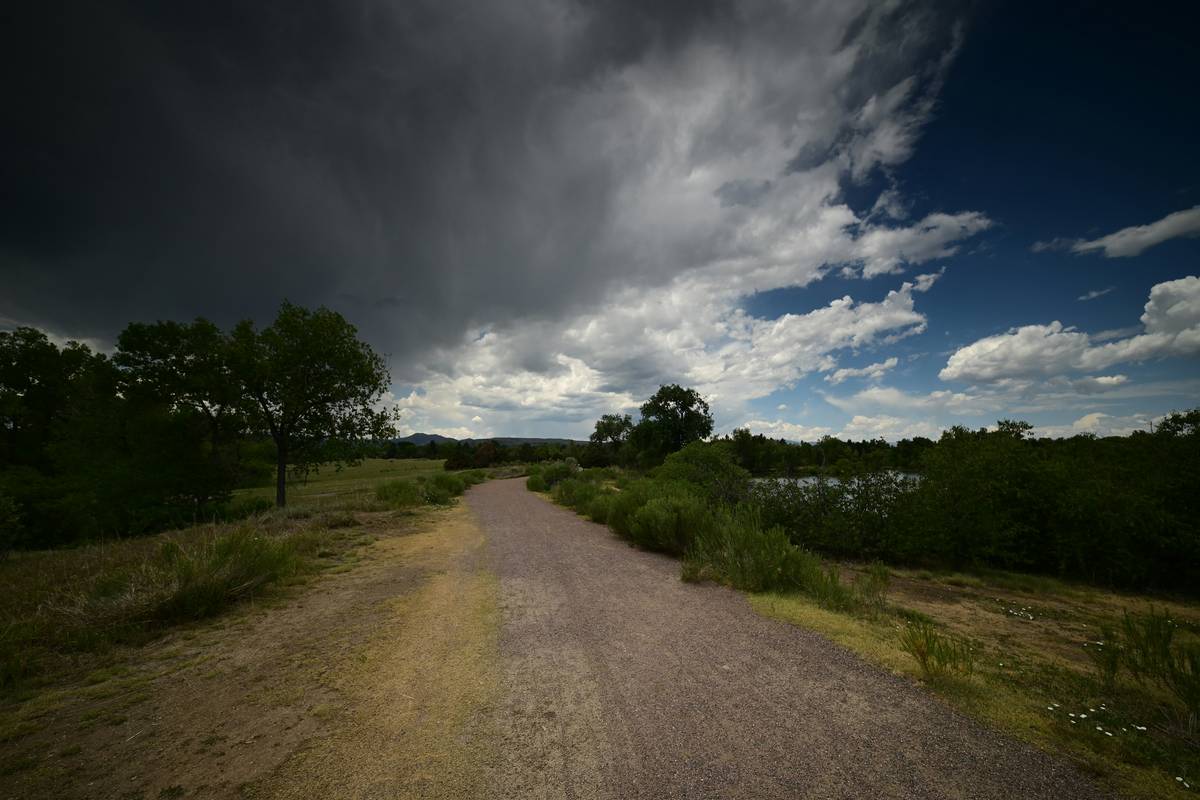
I once produced a short in coastal Oregon assuming “mild climate” meant stable conditions. Instead, microbursts of rain rolled in daily—each under the 0.5-inch threshold required to trigger our weather delay clause. We lost six shoot days and $14,000 because our broker never asked about hyperlocal precipitation norms. Don’t be me.
According to the National Association of Insurance Commissioners, 32% of denied entertainment claims in 2023 stemmed from ambiguous weather-related exclusions. Understanding your area’s specific local weather patterns isn’t optional—it’s fiscal due diligence.
Step-by-Step Guide to Weather-Proofing Your Policy
1. Audit Historical Climate Data
Pull 10-year averages from NOAA’s Climate Normals database (NCEI) for your exact shoot coordinates—not just the nearest city. Microclimates matter: a valley may get 20% more rain than a ridge 3 miles away.
2. Demand Explicit Delay Triggers
Insist your policy defines measurable thresholds (e.g., “rainfall exceeding 0.25 inches/hour”) rather than vague terms like “inclement weather.” This prevents subjective denials.
3. Bundle with Cast Insurance
If leads can’t perform due to weather-induced schedule shifts, standalone cast coverage won’t help. Ensure both are synchronized under one production package.
Best Practices for Minimizing Weather-Related Losses
- Schedule buffer days: Allocate 15% extra time in your calendar for high-risk zones (e.g., monsoon regions).
- Document everything: Use timestamped photos/videos of weather conditions during delays—insurers often require visual proof.
- Notify immediately: Email your broker within 24 hours of a qualifying event; late filings void 90% of claims (per Entertainment Insurance Brokers Association).
- Avoid this terrible tip: “Just shoot through light rain.” Water damage to $50K camera gear isn’t worth saving half a day.
And for the love of continuity—stop accepting insurers who say “all weather is covered.” If it’s not in writing, it doesn’t exist. My pet peeve? Brokers quoting generic “act of God” clauses while ignoring nuanced local weather patterns that actually dictate your risk.
Real-World Case Studies: Weather Delays and Claims
In 2022, a documentary crew filming wildfire recovery in California faced unexpected Santa Ana winds that grounded helicopters for five days. Because their policy specified “wind speeds >45 mph at site elevation” as a trigger—and they’d logged real-time anemometer data—they received a $28,000 payout covering crew retention fees.
Conversely, a Texas-based commercial shoot lost $19,500 when persistent humidity warped wooden set pieces. Their claim was denied because “gradual atmospheric conditions” were excluded—a classic loophole tied to misreading regional local weather patterns.
Frequently Asked Questions
Does standard film insurance cover rain delays?
Only if your policy includes a “perils” endorsement specifying rainfall thresholds. Most base policies exclude non-catastrophic precipitation.
How far in advance should I research weather for a shoot?
Start 90 days out using NOAA data, then monitor forecasts daily during production. Hyperlocal accuracy improves dramatically within two weeks.
Can I get coverage for extreme heat delays?
Yes—but only if temperatures exceed a defined limit (e.g., 105°F) that halts safe working conditions. Document OSHA compliance logs as evidence.
Are weather delay payouts taxable?
Generally yes, as income. Consult a tax advisor—this is why we link to our Privacy Policy regarding financial data handling.
If you’re navigating murky policy language or prepping for a high-stakes shoot, don’t gamble with guesswork. Our team has vetted dozens of entertainment insurers—contact us for a no-pressure review. And learn more about our mission on the About Us page.
When clouds gather, your backup plan shouldn’t be prayer. It should be printed, signed, and stapled to your call sheet.