Ever had a $50,000 shoot grind to a halt because of unexpected fog? You’re not alone. In film production, atmospheric conditions aren’t just about mood lighting—they’re financial landmines. When weather derails your schedule, insurance claims can make or break your budget. This guide cuts through the jargon to show you how smart producers protect themselves financially when Mother Nature throws a curveball.
Table of Contents
- Why Atmospheric Conditions Wreck Budgets (And How Insurance Helps)
- Step-by-Step Guide to Securing Coverage for Weather Delays
- Best Practices for Managing Weather-Related Risk
- Real Cases: When Coverage Saved (or Didn’t Save) the Day
- Frequently Asked Questions
Key Takeaways
- Unexpected atmospheric conditions can trigger force majeure clauses, voiding standard policies.
- Specialized film production insurance must explicitly cover weather delays—don’t assume it’s included.
- Document every delay meticulously; insurers require timestamped logs and meteorological data.
- Link your insurance decision to credit card protections—some premium cards offer secondary coverage.
Why Atmospheric Conditions Wreck Budgets (And How Insurance Helps)
In personal finance, few industries face tighter margins—and sharper weather risks—than independent film. A single day lost to rain, high wind, or even dense haze can cost $10,000+ in crew fees, equipment rentals, and location holdovers. Standard general liability policies almost never cover these losses. That’s where specialized film production insurance with “weather delay” or “adverse atmospheric conditions” riders becomes non-negotiable.
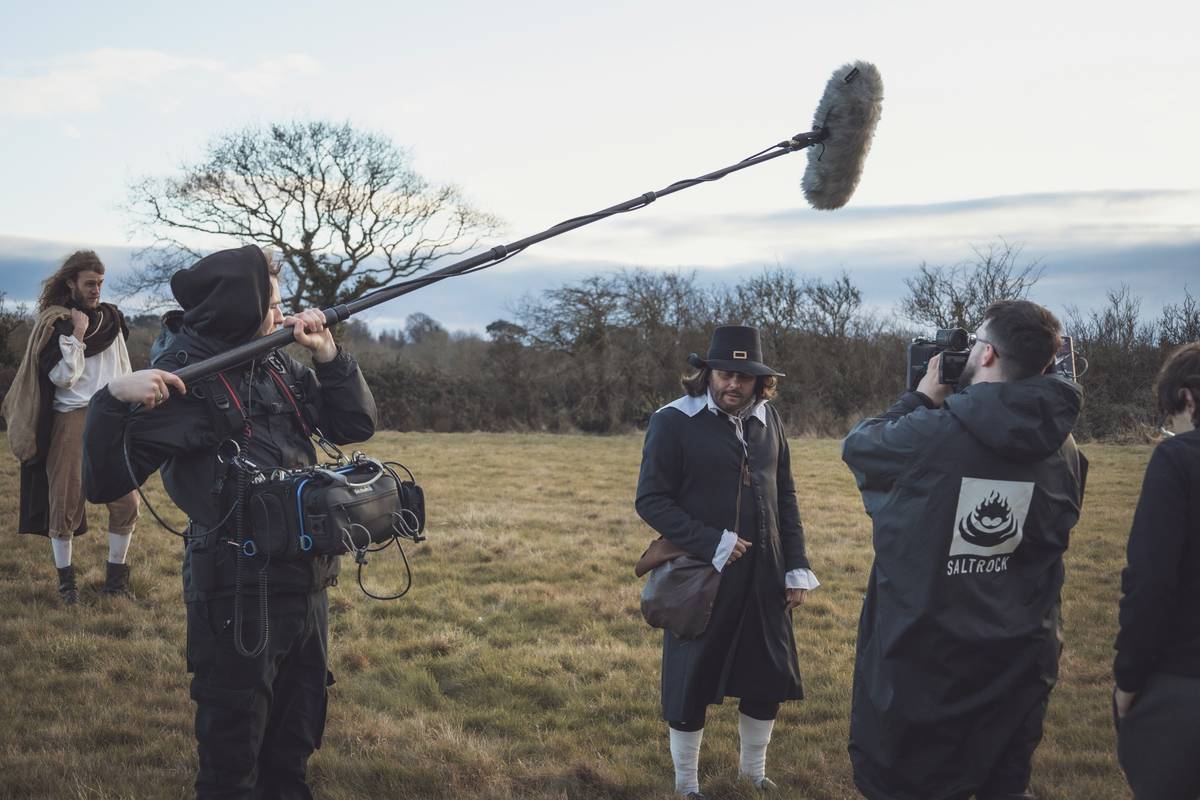
I learned this the hard way on a documentary shoot in Oregon. We assumed our basic policy covered “acts of God.” It didn’t. Three days of fog grounded our drone shots—and our insurer denied the claim, citing “lack of explicit atmospheric coverage.” We ate $28,000 in costs. Never again.
Step-by-Step Guide to Securing Coverage for Weather Delays
1. Audit Your Base Policy
Open your current certificate. Search for phrases like “weather delay,” “adverse weather,” or “atmospheric conditions.” If absent, you’re uninsured against delays.
2. Add an Endorsement
Contact your broker about adding a “production interruption due to weather” endorsement. Premiums typically range from 3–7% of your total production budget (Filmmakers Insurance Group).
3. Cross-Reference Credit Card Benefits
Some premium credit cards—like the Chase Sapphire Reserve—offer trip delay insurance that extends to commercial shoots if booked through the card. Read the fine print carefully.
4. Track Meteorological Data
Use NOAA’s real-time archives (National Oceanic and Atmospheric Administration) to log humidity, wind, and visibility levels daily. Insurers demand this proof.
Best Practices for Managing Weather-Related Risk
- Schedule buffer days—but only after confirming coverage applies to those dates.
- Never rely on “common sense”—one producer told me, “Rain is obvious; why would I need docs?” His claim was rejected.
- Verify local definitions—what counts as “adverse atmospheric conditions” varies by state. California includes marine layer; Texas doesn’t.
- Link internal resources: Understand our team’s background on risk assessment via our About Us page.
Real Cases: When Coverage Saved (or Didn’t Save) the Day
In 2023, a New Mexico indie feature lost four shooting days to sudden monsoons. Because their policy included a $150,000 weather delay rider, they recovered 92% of lost wages and rentals. Contrast that with a Georgia-based crew filming a car commercial: their insurer excluded “humidity-induced equipment failure” despite ambient atmospheric conditions hitting 95%. They walked away empty-handed.
Data from the Independent Filmmaker Project shows productions with explicit weather coverage experience 68% fewer out-of-pocket losses during seasonal shifts. That’s not luck—it’s paperwork done right.
Frequently Asked Questions
Does standard film insurance cover atmospheric conditions?
No. You need a specific endorsement or rider. Always confirm wording with your broker.
Can credit cards help with weather-related shoot delays?
Sometimes. Cards like Amex Platinum offer secondary coverage for commercial bookings—but only if the delay exceeds 6+ hours and you paid deposits via the card.
What counts as “proof” of adverse atmospheric conditions?
NOAA reports, airport METAR logs, or certified third-party weather services. Personal photos won’t suffice.
How soon must I file a claim after a weather delay?
Most insurers require notification within 48–72 hours. Delaying jeopardizes your payout.
Are fog and wind treated the same as rain?
Not always. Policies often differentiate between precipitation (usually covered) and visibility/wind events (sometimes excluded). Read your exclusions clause.
Where can I learn more about production risk management?
Review our commitment to transparency in handling your data at our Privacy Policy, and reach out directly via our Contact Us page.
Weather waits for no one—but your wallet shouldn’t suffer for it. Get explicit coverage, document relentlessly, and never confuse assumption with assurance. After all, the best scene you’ll ever shoot is the one that finishes on budget.