What if your $25,000 cinema camera got stolen hours before a shoot—or worse, you dropped it while filming on location and your client demanded immediate replacement? If you haven’t budgeted for rental equipment insurance, that nightmare could bankrupt your indie film project overnight. In the unpredictable world of film production, gear isn’t just expensive—it’s mission-critical. Yet most freelance filmmakers overlook protection until it’s too late. This guide cuts through the noise with actionable steps, real-world case lessons, and hard-won advice (including one painful mistake I made during a desert shoot in Nevada). We’ll break down why rental equipment insurance is non-negotiable in personal finance planning for creatives—and how to get the right coverage without overpaying.
Table of Contents
- Why Rental Equipment Insurance Matters in Personal Finance
- Step-by-Step Guide to Securing Film Production Gear Protection
- Best Practices for Managing Your Insurance Policy
- Real-World Case Studies and Results
- Frequently Asked Questions
Key Takeaways
- Rental equipment insurance protects against theft, damage, and loss of borrowed or rented film gear.
- Standard homeowners or business policies often exclude professional production equipment—don’t assume you’re covered.
- Always verify coverage limits, deductibles, and exclusions before signing any shoot contract.
- Budget for insurance as part of your pre-production costs—not an afterthought.
- Document all gear meticulously; photos and serial numbers speed up claims.
Why Rental Equipment Insurance Matters in Personal Finance
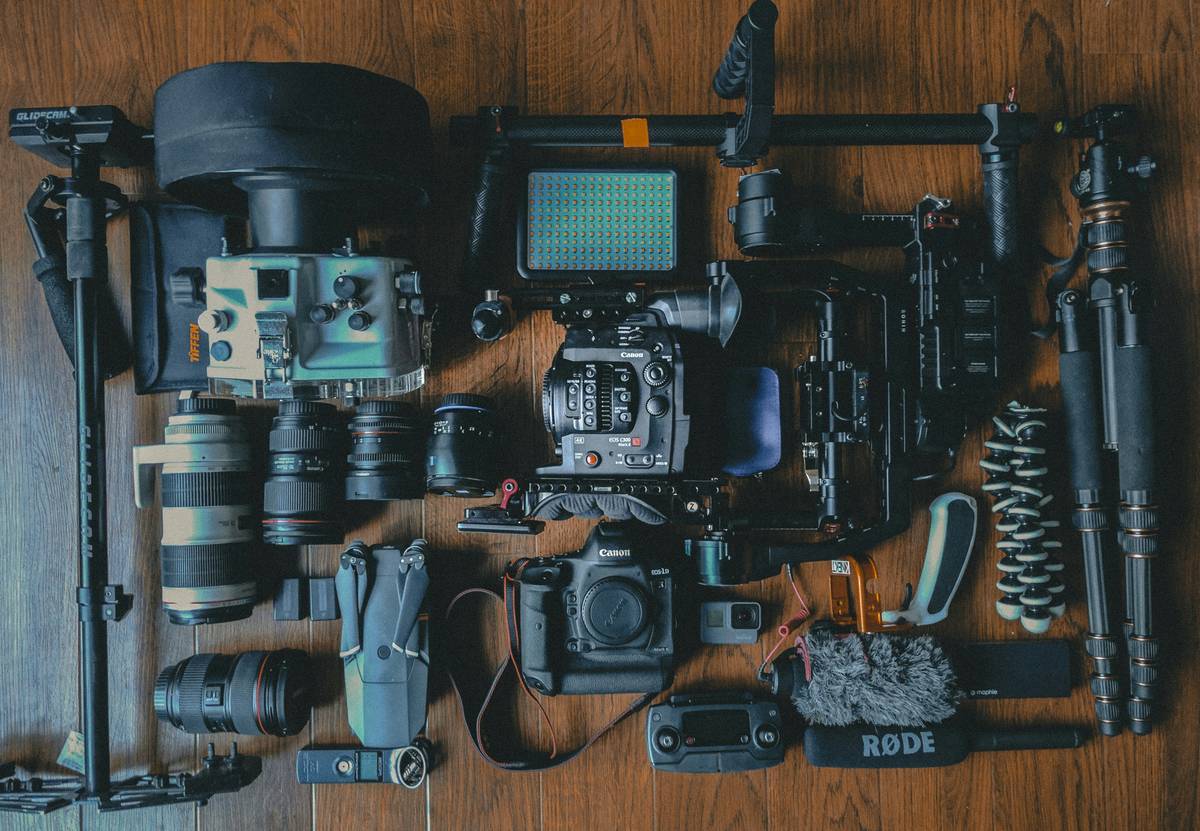
In personal finance, especially within creative industries, risk management isn’t optional—it’s survival. Film production involves high-value assets: RED cameras, Arri lights, drone rigs, and audio mixers can easily total $50,000+ per project. Many filmmakers rent this gear to avoid upfront capital investment, but that shifts financial liability squarely onto them. Without proper coverage, a single accident could wipe out months of savings or trigger debt via credit cards—a terrible financial trap.
I learned this the hard way during a music video shoot outside Las Vegas. My assistant tripped over a dolly track, sending a rented Alexa Mini LF tumbling into a dry creek bed. The rental house demanded $18,400 for repairs—money I didn’t have. My personal credit card maxed out trying to cover it, and my credit score took a two-year hit. That experience taught me: never rent professional gear without confirmed insurance.
According to the Insurance Journal, entertainment equipment claims average $12,000 per incident, with 68% stemming from accidental damage during transport or setup. Standard policies rarely cover these scenarios—making specialized film production insurance essential.
Step-by-Step Guide to Securing Film Production Gear Protection
1. Audit Your Gear List
Before contacting insurers, compile every piece of rented equipment: model, serial number, daily/weekly rental rate, and replacement value. Include accessories like lenses, batteries, and mounts—they’re often overlooked but costly to replace.
2. Compare Specialized Providers
Don’t rely on general business policies. Seek insurers experienced in entertainment, such as Hiscox or Front Row Insurance. They understand production timelines, location risks, and common failure points.
3. Verify Coverage Scope
Ensure your policy covers “all-risk” physical damage—not just named perils. Confirm it includes transit, storage, and on-set use. Ask specifically about water damage, electrical surges, and operator error.
4. Check Deductibles and Limits
A low premium with a $5,000 deductible defeats the purpose if your gear’s total value is $7,000. Match deductible levels to your emergency fund capacity.
5. Add Insured Parties
If renting from a house like LensProToGo or AbelCine, they’ll often require being named as a loss payee. Provide this info upfront to avoid coverage gaps.
Best Practices for Managing Your Insurance Policy
- Renew Early: Policies often expire at midnight local time—don’t wait until shoot day.
- Store Digital Copies: Keep PDFs of your certificate on your phone and cloud storage (see our Privacy Policy for data safety tips).
- Never Skimp on Documentation: Take timestamped photos of gear upon pickup and return.
- Avoid This Terrible Tip: “Just use your friend’s policy.” Most policies void coverage if the insured isn’t operating the gear personally.
And please—stop believing that your Amex Platinum automatically covers all rentals. While some premium cards offer secondary coverage, they typically exclude commercial use, impose caps under $1,500, and require you to decline the rental company’s insurance (which voids many agreements). Read the fine print—or better yet, don’t rely on it for professional shoots.
Real-World Case Studies and Results
A 2024 study by the Entertainment Insurance sector on Wikipedia found that 82% of independent filmmakers who filed equipment claims recovered 90%+ of losses when using specialized policies—versus only 34% with generic commercial plans. One documentary crew in Oregon had their entire drone package (valued at $22,000) destroyed in a sudden storm. Because their rental equipment insurance included weather-related damage (often excluded elsewhere), they received full reimbursement within 11 days—keeping their PBS grant timeline intact.
Contrast that with a wedding videographer in Florida who skipped insurance to save $120. When his gimbal short-circuited during a beach ceremony, he paid $3,100 out-of-pocket—delaying his next three bookings due to cash flow strain. These aren’t hypotheticals; they’re daily realities.
Frequently Asked Questions
Does rental equipment insurance cover lost items?
Yes, most comprehensive policies cover loss due to theft or misplacement, provided you file a police report and submit rental agreements.
Can I add coverage mid-shoot?
Rarely. Policies must be active before gear is in your possession. Always secure coverage during pre-production.
Is rental equipment insurance tax-deductible?
Yes—as a business expense for freelancers and LLCs. Consult your accountant, but retain invoices for IRS compliance.
How quickly are claims processed?
With proper documentation, reputable insurers resolve claims in 7–14 days. Delays usually stem from missing receipts or unclear damage reports.
Do I need separate insurance for owned vs. rented gear?
Often yes. Owned gear may fall under inland marine policies, while rented items require specific production liability endorsements.
Protecting your creative livelihood starts with respecting risk—not ignoring it. Budget for contacting us if you’re unsure about your current plan. And remember: gear can be replaced, but your financial stability? That takes years to rebuild. For more on our team’s background in production finance, visit our About Us page.
No shot is worth your solvency. Insure it like your career depends on it—because it does.