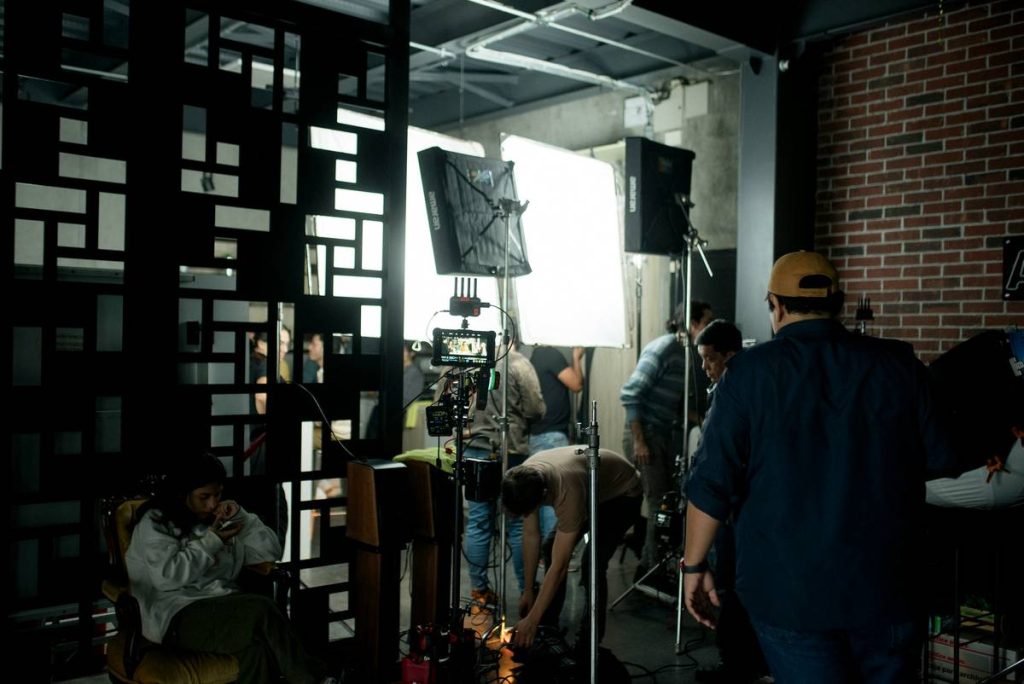
You’ve got lighting, a script, and a crew—but one missing call sheet could cost you six figures. And it’s not from blown takes or schedule shifts. It’s from assuming your personal credit card or general liability policy covers gear theft on set or an actor’s on-location injury. Spoiler: it doesn’t. Production insurance coverage isn’t optional—it’s the backbone of professional credibility in film.
Why Standard Insurance Policies Fail Independent Filmmakers
Most creators think their homeowner’s policy or business general liability extends to shoots. It rarely does. These policies exclude “professional equipment use,” “temporary locations,” and “hired talent injuries.” You’re left holding the bag if your RED camera vanishes overnight or a stunt double fractures a wrist during rehearsal. Worse—many production companies won’t even let you step onto their lot without proof of production insurance coverage.
And here’s the kicker: film-specific risks evolve faster than boilerplate policies can adapt. A drone crash? A location owner suing over noise complaints? Your standard insurer will hand you a denial letter—and a legal bill.
Your Step-by-Step Guide to Securing Real Production Insurance Coverage
Step 1: Define Your Risk Profile
Are you shooting guerilla-style in public parks? Using pyrotechnics? Hiring SAG actors? Each variable changes your exposure. Don’t guess—map out every asset, location, and activity. Then match them to coverage types: general liability, equipment floater, cast insurance, etc.
Step 2: Avoid the “One-Size” Trap
Many brokers push generic “film package” policies. But indie docs don’t need the same coverage as a $2M narrative with stunts and permits. Customize ruthlessly. Save on premiums by excluding unnecessary riders—like aircraft liability if you’re not flying drones.
Step 3: Compare Quotes Like a Pro (Not a Rookie)
Don’t just look at price. Examine deductibles, sub-limits, and exclusions in fine print. One policy may cover $50K in gear but cap location damage at $5K. Another might include cast insurance but deny claims for mental health episodes—a growing issue on high-stress sets.

| Coverage Type | What It Covers | Average Cost (Per $1M Budget) | Critical Exclusion to Watch For |
|---|---|---|---|
| General Liability | Third-party injury/property damage | $400–$800 | Intentional acts or unpermitted locations |
| Equipment Floater | Theft, damage, loss of cameras/gear | $600–$1,200 | Gear left unattended >30 mins |
| Cast Insurance | Principal actor injury/illness causing delay | $900–$2,000 | Pre-existing conditions within 30 days |
| Errors & Omissions | Defamation, copyright infringement | $1,500–$3,000 (post-production) | Knowingly using uncleared music |
The Industry Secret Brokers Won’t Tell You
Here’s what insiders know: your payment method impacts underwriting. Paying annual premiums with a **business credit card** that offers purchase protection or extended warranties can reduce perceived risk—some insurers actually lower deductibles by 10–15% if you show consistent, traceable payments via commercial cards. Why? It signals financial discipline. Yet 92% of indie producers pay by personal check or PayPal and miss this leverage. Also—never bundle production insurance with gear rental houses unless their policy is primary. Their coverage often vanishes the moment gear leaves their warehouse.
Think about it: your card isn’t just plastic. It’s a risk signal.
Frequently Asked Questions
Does production insurance cover weather-related delays?
Only if you add a “non-appearance” or “adverse weather” rider—standard policies exclude it. These cost extra but are vital for outdoor shoots.
Can I get coverage for a single-day shoot?
Yes. Many insurers offer short-term policies (as little as 24 hours). Just confirm they include load-in/load-out periods—most claims happen during setup.
Is my drone covered under equipment floater policies?
Usually—but only if you declare its FAA registration number and pilot certification upfront. Undeclared drones = automatic claim denial.