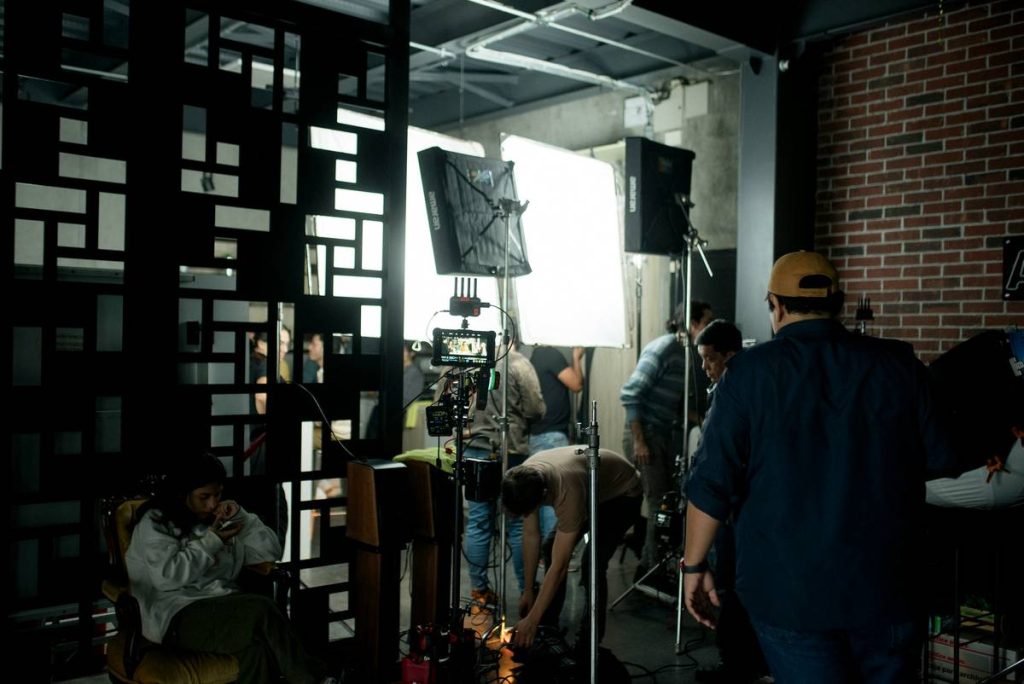
Film sets burn through budgets faster than a Steadicam operator on espresso. And if your gaffer trips over a cable and sues the location owner? Your standard general liability policy won’t save you. That’s where contingent liability coverage steps in—quietly, critically, often overlooked until it’s too late.
Why Standard Insurance Fails Film Productions
Most indie producers think their general liability policy covers “everything.” It doesn’t. It covers risks directly caused by their team—not third-party contractual obligations or off-the-clock accidents tied to location agreements. Imagine this: a rented studio gets water damage from your faulty lighting rig. The landlord demands $50K in repairs. Your GL policy says “not our problem.” But your location agreement? It holds you liable. Without contingent liability coverage, you’re personally on the hook.
And film sets are chaos magnets—cables, crowds, cranes. One misstep can trigger cascading liabilities that slip through every other layer of protection.
How to Secure Contingent Liability Coverage Step-by-Step
Identify High-Risk Contracts
Start with your location agreements, equipment leases, and talent contracts. These often contain indemnity clauses forcing you to assume liability for injuries or damages—even if they’re not your fault. Flag any clause mentioning “hold harmless,” “indemnify,” or “assume responsibility.”
Work With a Specialist Broker
Generic insurance agents won’t know film-specific exposures. You need a broker who’s placed coverage for drone operators, stunt coordinators, and union-mandated wrap parties. They’ll match your project’s scale—whether it’s a $20K short or a $2M feature—with precise endorsements.
Bundle Into a Production Package
Contingent liability coverage rarely stands alone. It’s typically added as an endorsement to your production package policy (PPP), which also includes cast insurance, equipment floater, and E&O. Bundling avoids gaps—and saves 15–30% versus standalone quotes.

| Coverage Type | Average Cost (Per $1M Budget) | Typical Limits | When You Absolutely Need It |
|---|---|---|---|
| Standalone General Liability | $800–$1,200 | $1M–$2M | Never sufficient alone for film |
| Production Package Policy (PPP) | $1,500–$3,000 | $2M aggregate | Standard for features & docs |
| Contingent Liability Coverage (Endorsement) | $200–$600 | $1M per occurrence | When location/equipment contracts demand indemnity |

The Industry Secret No One Talks About
Here’s what brokers won’t tell you: many insurers quietly exclude “assumed liability” unless you explicitly request contingent liability coverage by name. Not “additional insured”—not “contractual liability”—but the exact phrase contingent liability coverage. If it’s not printed in your policy declarations, it likely isn’t there. I’ve seen producers lose six-figure settlements because their agent checked “contractual liability” on the application—but the fine print excluded film-related indemnity. Always demand the endorsement wording in writing before wrap day.
Frequently Asked Questions
What does contingent liability coverage actually cover?
It protects you when a contract forces you to assume legal liability for someone else’s losses—like a location owner’s property damage—even if your own actions weren’t negligent.
Is it required for low-budget films?
If your location agreement includes an indemnity clause—which 90% do—then yes. Most landlords and studios mandate it before granting access.
Can I add it last-minute?
Technically yes, but underwriters may delay approval during active shooting. Secure it during pre-production—it takes 2–5 business days to bind.