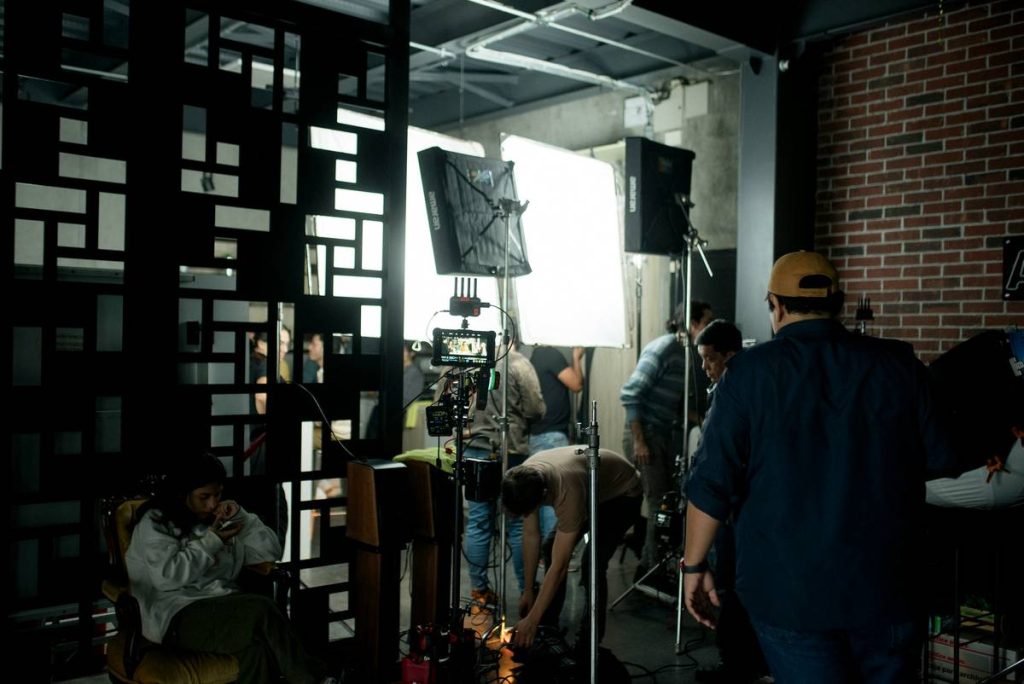
Producing a film is already a high-wire act—underfunded, under-scheduled, and overstretched. Now imagine losing everything because a camera rig failed, an actor got injured, or a location owner sued you over noise complaints. Standard business insurance won’t cover it. And film production insurance cost isn’t just another line item—it’s your financial safety net when chaos strikes on set.
Why Generic Insurance Fails Film Projects
Most indie producers assume their homeowner’s policy or a basic LLC liability plan will suffice. It won’t. Film sets involve volatile combinations: heavy equipment, stunts, public spaces, leased gear, and unpredictable weather. A single incident can trigger six-figure claims.
And here’s what brokers rarely mention: generic policies exclude “professional services” like directing or cinematography. If your drone crashes into a car during a shoot, your standard commercial general liability (CGL) policy may deny the claim entirely—citing “entertainment activity exclusions.”
Film Production Insurance Cost: A Practical Breakdown
What Drives Your Premium?
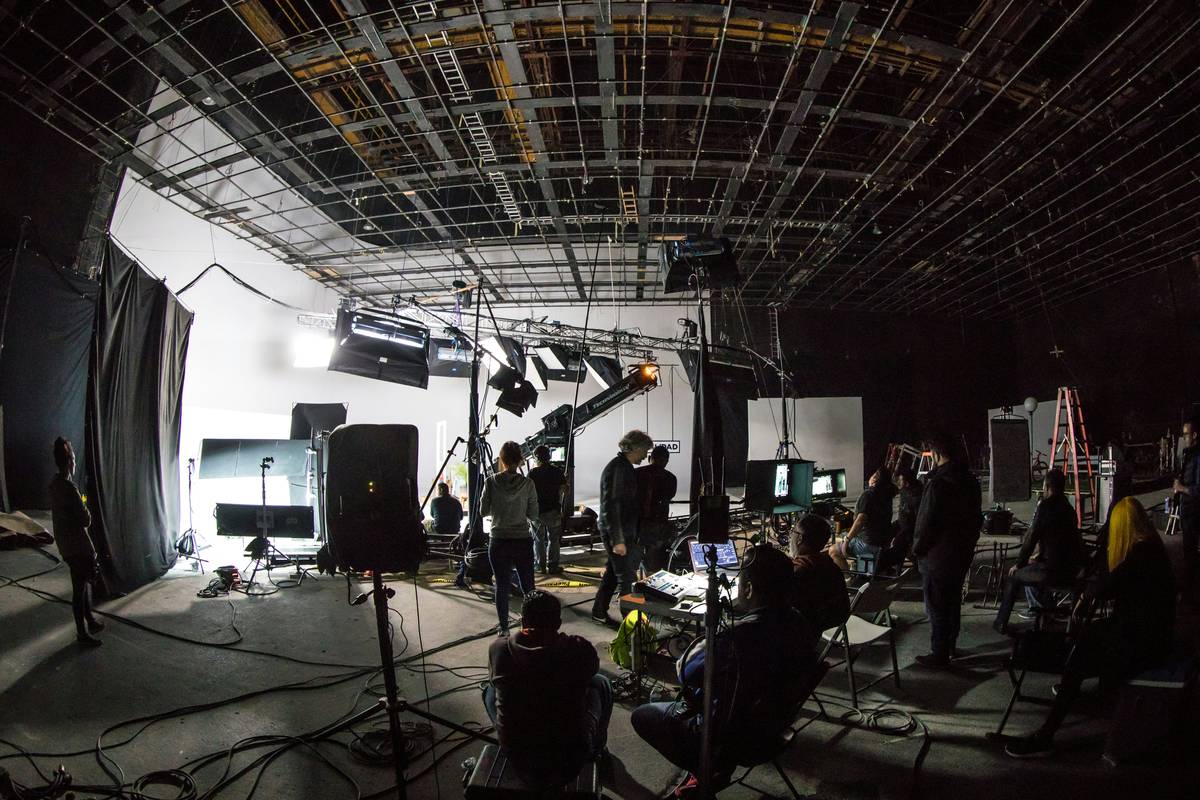
Budget size matters—but not how you think. Insurers don’t just look at your total spend. They assess risk density. A $500K drama shot in one controlled studio carries less risk than a $200K documentary filmed across three countries with drone footage and crowd scenes.
Coverage Types That Actually Matter
General Liability is table stakes. But consider Equipment Floater for rented lenses, Non-Owned Auto for crew using personal vehicles, and Errors & Omissions (E&O) if you’re distributing the film. Skip E&O? Good luck getting into festivals or selling to streaming platforms.
| Production Budget Range | Average Film Production Insurance Cost (Annual) | Typical Coverage Included |
|---|---|---|
| Under $100,000 | $800 – $2,500 | General Liability ($1M), Equipment Floater, Workers’ Comp (if applicable) |
| $100K – $500K | $2,500 – $6,000 | GL ($2M), E&O (basic), Rental Equipment, Non-Owned Auto |
| $500K – $2M+ | $6,000 – $15,000+ | Full Package: GL, E&O, Cast Insurance, Stunt Coverage, Foreign Shoot Endorsements |
Timing Is Everything
Buy too early? You’ll pay for days of coverage you don’t use. Too late? No insurer will backdate coverage after principal photography starts. The sweet spot: bind your policy 3–7 days before first-day shooting—and list exact shoot dates. Flexibility costs extra.
The Industry Secret: Bundling With Post-Production Cuts Costs
Here’s the reality most brokers won’t volunteer: insurers love continuity. If you bundle production coverage with post-production E&O and distribution insurance through the same carrier, you often unlock a 15–25% discount. Why? Lower administrative overhead and reduced perceived risk—they’re locking in a longer client relationship.
But—and this is critical—you must declare your full distribution intent upfront. Planning a festival run? Selling to Amazon? Mention it during underwriting. Retroactively adding distribution later triggers re-underwriting, higher premiums, or even denial.
Think about it: your film doesn’t stop being risky once shooting wraps. Defamation claims, music clearance errors, or archival footage disputes can emerge years later. Smart producers treat insurance as a lifecycle cost—not just a shoot-day checkbox.
Frequently Asked Questions
Does film production insurance cover cast injuries?
Only if you add Cast Insurance or Workers’ Compensation. General Liability covers third parties—not your own crew or actors.
Can I get day-rate coverage for a single shoot?
Yes. Many carriers offer short-term policies (as little as 1–3 days). But daily rates are steep—often 40–60% of a 30-day premium.
Is film production insurance cost tax-deductible?
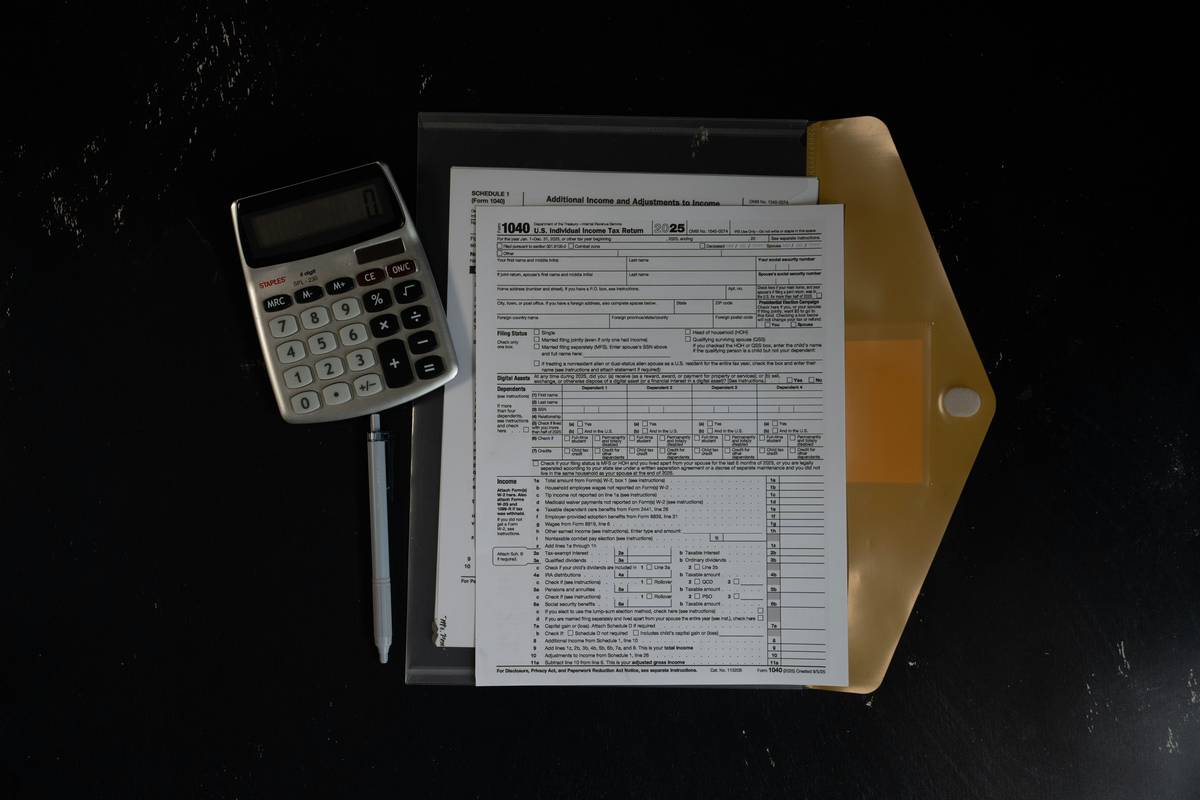
Absolutely. It’s a legitimate business expense for filmmakers operating as sole props, LLCs, or S-corps. Keep your certificate of insurance (COI) for tax records.