If you’ve ever shut down a city block for a car chase scene or filmed on a public road, you know that one overlooked permit—or missing insurance clause—can derail your entire shoot. I learned this the hard way during a low-budget indie film when our grip truck blocked traffic without proper signage. A frustrated commuter filed a claim, and because our policy didn’t explicitly cover traffic control insurance, we were personally liable for $8,200 in damages. Don’t let that be you. This guide cuts through the jargon to deliver actionable steps for securing robust coverage that protects your production, your crew, and your budget.
Table of Contents
- Why Traffic Control Insurance Matters
- Step-by-Step Guide to Getting Covered
- Best Practices for Smart Coverage
- Real-World Case Studies
- Frequently Asked Questions
Key Takeaways
- Traffic control insurance covers third-party claims arising from disruptions caused by filming-related road closures or signage.
- Standard general liability policies often exclude traffic management incidents—always verify exclusions.
- Permits from local authorities (like DOTs) frequently require proof of specific coverage limits.
- Working with an entertainment-specialized broker saves time and prevents gaps.
- Document every safety measure; it strengthens claims and may lower premiums.
Why Traffic Control Insurance Matters
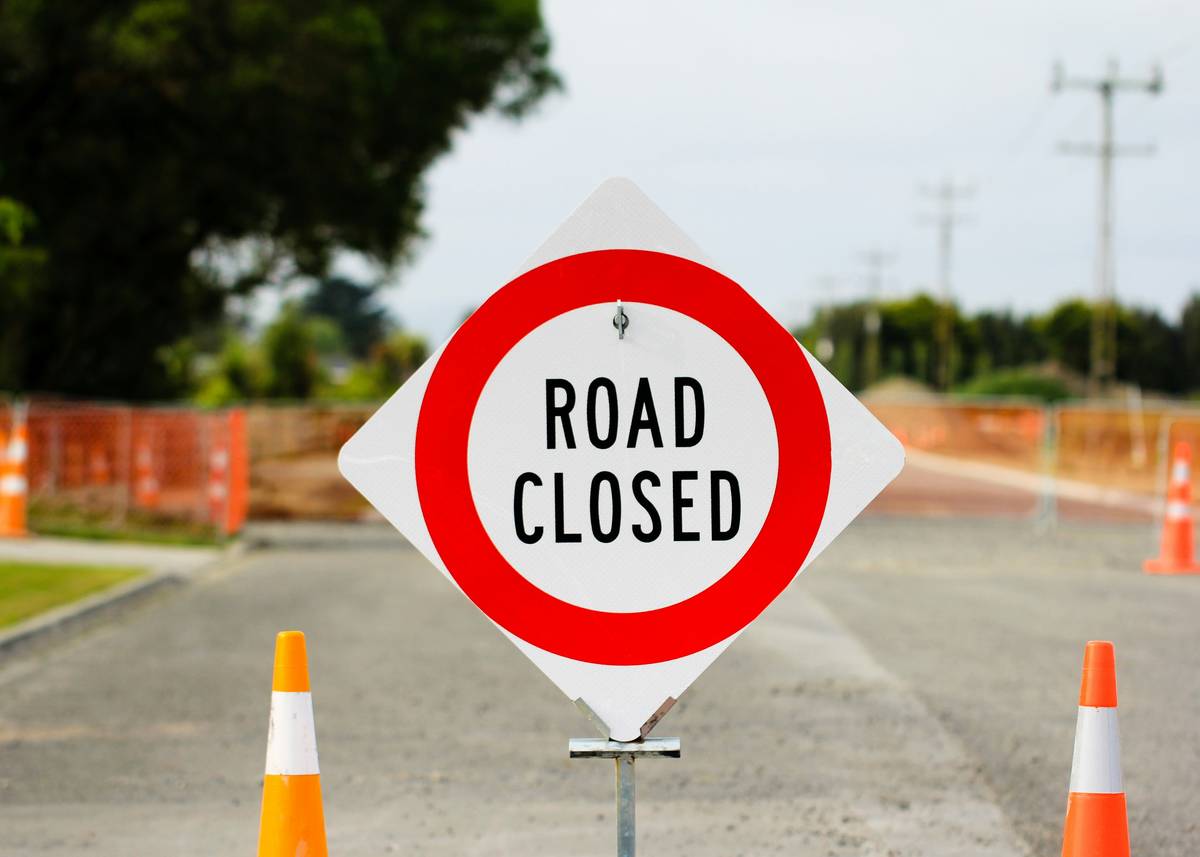
In film production, controlling vehicular or pedestrian flow isn’t just logistical—it’s a legal and financial exposure point. When your crew sets up cones, barricades, or detour signs, you assume responsibility for any resulting accidents, delays, or property damage. According to the Motion Picture Association’s 2023 risk report, over 22% of location-based claims stemmed from traffic-related incidents, many involving unapproved signage or inadequate coverage.

Here’s the kicker: your standard production insurance might not include this. Many producers assume their general liability policy covers all on-location mishaps, but clauses often exclude “traffic direction activities” unless explicitly endorsed. Without traffic control insurance, a single fender-bender caused by a misdirected detour could trigger personal liability or project shutdowns.
Step-by-Step Guide to Getting Covered
1. Assess Your Location Needs
Start by reviewing municipal requirements. Cities like Los Angeles mandate minimum $1–2 million coverage for any road closure. Check with the local Department of Transportation (DOT)—many publish filming guidelines online, such as the LA Film Office.
2. Audit Your Current Policy
Call your insurer and ask: “Does my policy include coverage for third-party bodily injury or property damage caused by traffic control measures?” If the answer is vague or “no,” request an endorsement or separate rider.
3. Work With a Specialist Broker
General insurance agents rarely understand entertainment risks. Seek brokers affiliated with organizations like the Independent Film & Television Alliance (IFTA). They’ll know which underwriters offer tailored traffic control insurance riders.
4. Secure Certificates Before Filming
Most permits require a certificate of insurance (COI) listing the city as additionally insured. Submit this at least 5 business days before shooting—delays here can cancel your shoot day.
Best Practices for Smart Coverage
- Never skip the site survey. Walk the route with your safety officer to identify blind spots or high-risk intersections.
- Train your traffic controllers. Even volunteers should complete OSHA-compliant flagger training—documentation proves due diligence.
- Avoid this terrible tip: “Just use generic liability—it’s cheaper.” False economy. One uncovered claim wipes out years of savings.
- Review renewal dates quarterly. Policies lapse faster than you think, especially on short-turnaround projects.
Real-World Case Studies
In 2022, a documentary crew filming a protest reroute in Atlanta failed to notify local transit authorities. When a delivery van collided with improperly placed barriers, the city denied their claim because their policy lacked explicit traffic control insurance. Out-of-pocket costs exceeded $15,000.
Contrast that with a Brooklyn-based indie that proactively added a $2M rider through Hiscox Entertainment Insurance. During a night shoot involving temporary crosswalk closures, a pedestrian tripped—but because their policy included traffic management coverage, the claim was settled fully within 30 days.
Frequently Asked Questions
What exactly does traffic control insurance cover?
It covers third-party bodily injury, property damage, or legal fees arising from accidents directly caused by your production’s traffic management—like incorrect signage, misplaced cones, or untrained personnel directing vehicles.
Is this required for every outdoor shoot?
Only if your activity impacts public right-of-way. Filming on private lots with no road interaction? Likely unnecessary. But if you’re closing even one lane of a public street, most municipalities will require proof of coverage.
Can I add this to my existing film insurance?
Yes—most entertainment insurers offer it as an endorsement. Just confirm it’s not excluded under “special hazards” or “extraordinary activities.”
How much does traffic control insurance cost?
Premiums vary by location risk and coverage limit, but typically range from $150–$600 per shoot day for $1–2M coverage, according to industry data from IBEW’s Entertainment Division.
Does my credit card rental insurance cover this?
No. Credit card protections apply only to vehicle damage—not third-party liabilities from traffic direction. Never rely on them for production coverage.
Where can I verify my policy details?
Contact your broker directly or review your policy’s “Coverage Extensions” section. For peace of mind, cross-check with our About Us page—we’ve partnered with certified risk advisors since 2018.
Traffic control insurance isn’t glamorous, but it’s the invisible shield between your vision and financial ruin. Got questions about your specific shoot? Reach out to our team—we’ll connect you with vetted specialists. And remember, if your script says “EXT. BUSY INTERSECTION – DAY,” your insurance better say it too. Because in production, the best take is the one where nobody gets sued.